For centuries, Jewish culture has maintained a deep and evolving relationship with plant medicine, ritual, and ethical debate. Cannabis, though far from the center of traditional Jewish law, has increasingly become part of that conversation. As modern communities revisit ancestral texts and reevaluate contemporary wellness practices, cannabis now sits at a crossroads of tradition, spirituality, and lived experience—especially during holidays such as Hanukkah.
Historical references provide subtle but notable clues. Some scholars point to kaneh bosem—a term found in the Book of Exodus describing a sacred anointing oil ingredient—as possibly referring to cannabis. While this remains a debated interpretation, the suggestion has sparked discussions about how ancient Israelites may have interacted with plant-based aromatics and healing herbs. Whether cannabis was directly used or simply existed alongside other botanicals, plant-based ritual items remain deeply woven into Jewish tradition.
In modern times, Jewish legal authorities have offered a range of viewpoints. Orthodox and Conservative rabbinic opinions typically focus on the ethical and medical dimensions: cannabis is increasingly viewed as permissible when used for legitimate therapeutic purposes, particularly for pain management, anxiety, and chronic illness. Recreational use, however, is often approached with caution, as Jewish law encourages protecting mental clarity and avoiding behaviors that may detract from responsibility or spiritual presence. Reform and Reconstructionist communities tend to embrace cannabis more openly, leaning into its wellness applications and its potential for mindful ritual.
Where cannabis intersects most meaningfully with Jewish tradition is through intention—kavanah, the mindset one brings to practice. Much like wine used for Kiddush or the fragrant spices of Havdalah, cannabis for some adults becomes another tool for enhancing connection, gratitude, or reflection. When used responsibly, many contemporary Jewish practitioners describe cannabis as supporting meditation, creativity, or quiet contemplation during moments of ritual or celebration.
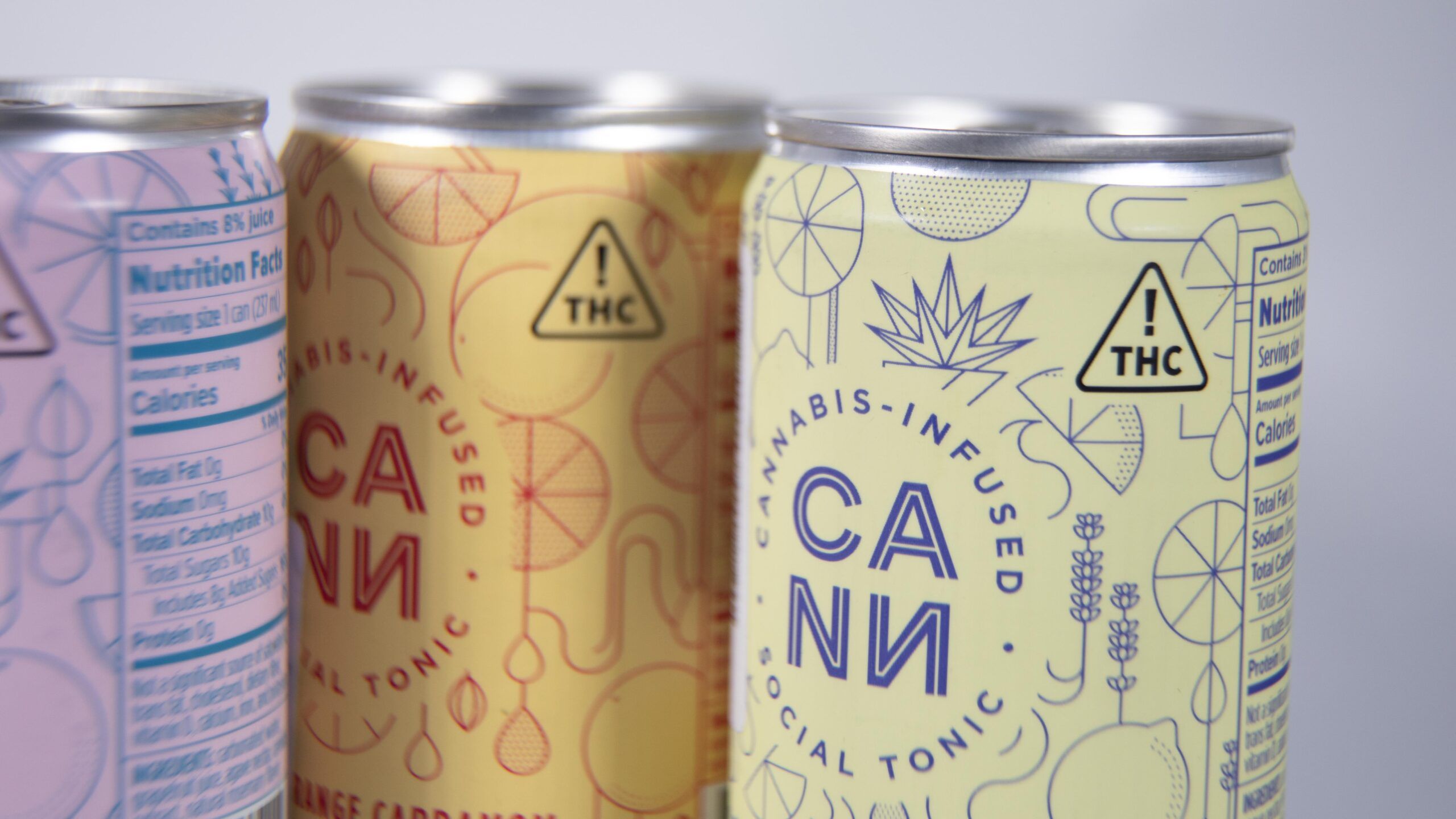
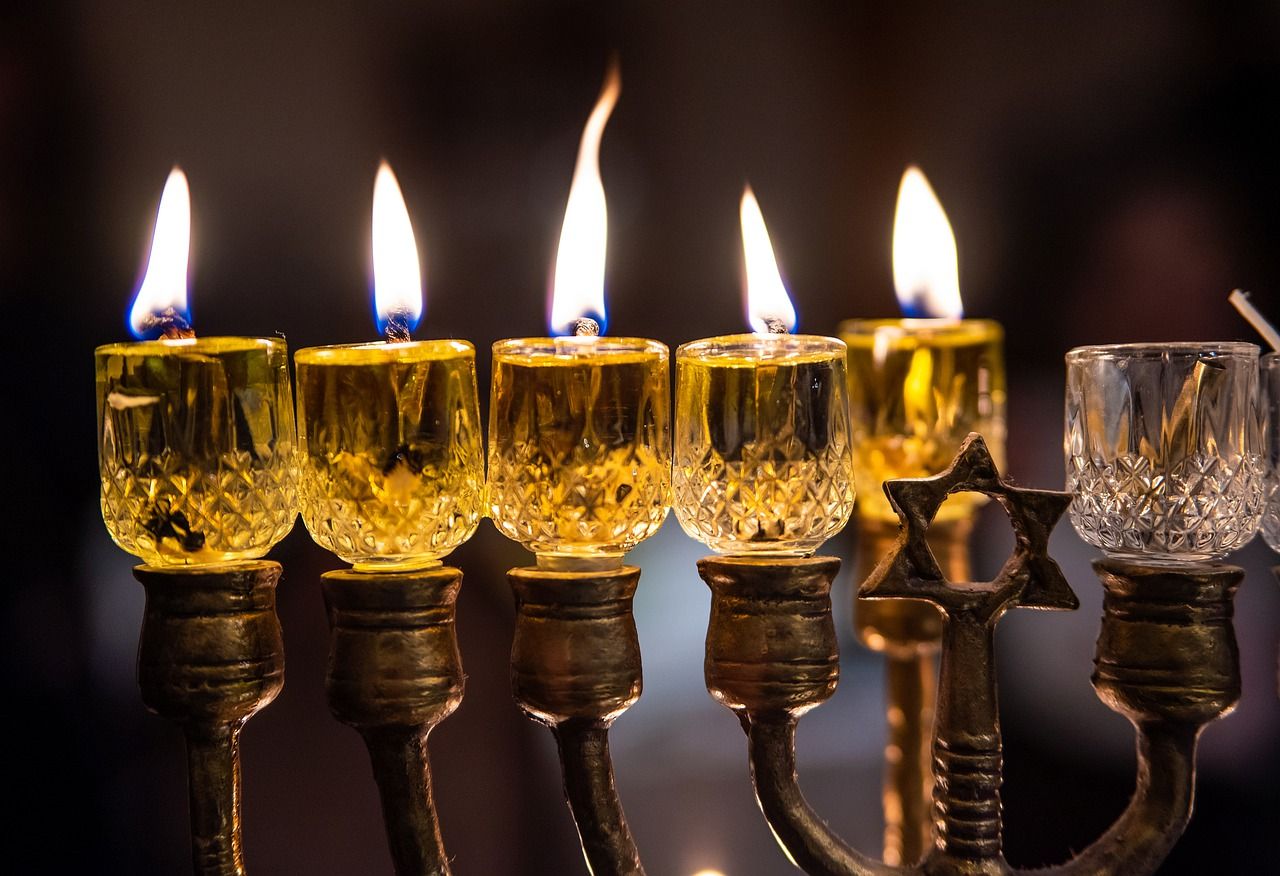
These themes naturally surface during Hanukkah, a holiday rooted in resilience, light, and communal joy. While cannabis is not historically tied to the festival, modern Jewish adults increasingly weave it into their observances. Some incorporate low-dose edibles or CBD products to ease stress during the busy holiday season. Others turn to cannabis to enhance reflective practices during candle lighting, journaling, or nightly prayer. Younger generations, especially in states with legal markets, often gather for cannabis-friendly Hanukkah events—pairing traditional foods with infused culinary experimentation or hosting “Dankukkah” celebrations that blend modern culture with inherited tradition.
Yet the key throughline is responsibility. Jewish ethics strongly emphasize moderation, community care, and emotional presence. Practitioners who incorporate cannabis into Hanukkah emphasize honoring those values: consuming after rituals rather than before, ensuring guests are comfortable, providing non-infused options, and centering the holiday’s deeper themes of miracles, resistance, and renewal.
As cannabis continues to enter mainstream Jewish life, Hanukkah offers a powerful lens for understanding how tradition adapts. In a festival devoted to perseverance and the sparks of light that transform dark chapters, cannabis becomes—at least for some adults—a modern tool for wellness, celebration, and cultural expression.